
CHE COSA STA CERCANDO?
CHE COSA STA CERCANDO?
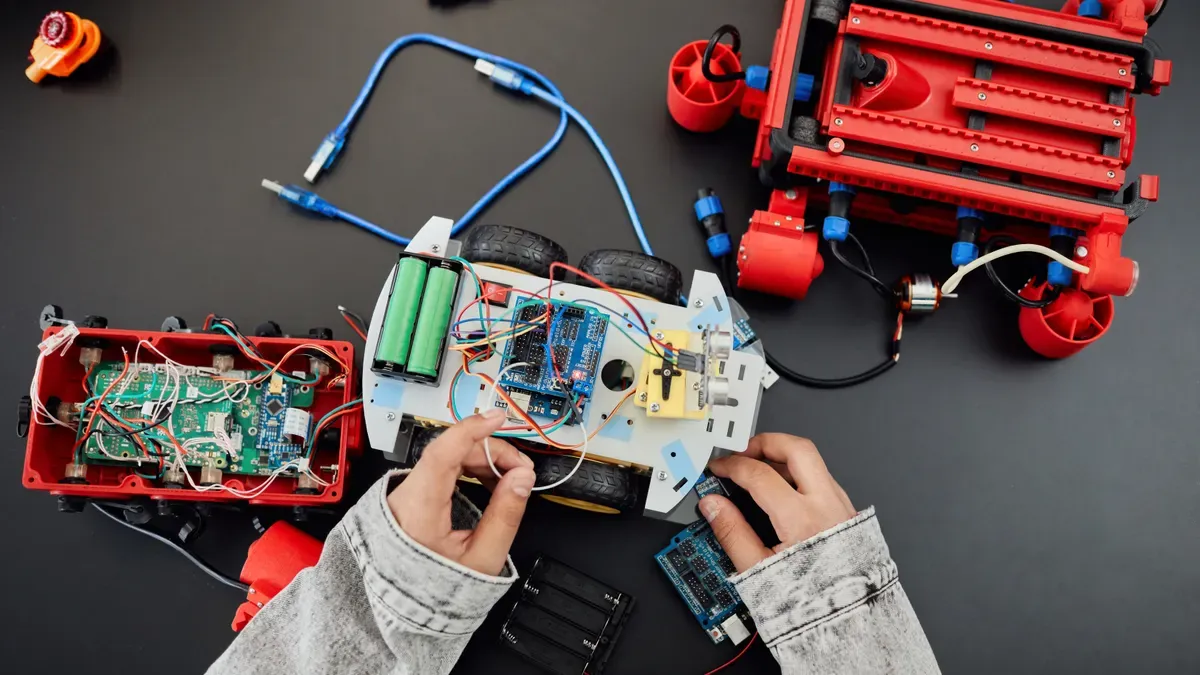
Per garantire sicurezza e affidabilità in ogni sistema robotico, è fondamentale disporre di un cablaggio adeguato. L'assemblaggio del cablaggio organizza e protegge le reti elettriche, mettendo in sicurezza da pericoli che potrebbero compromettere prestazioni e protezione. Un cablaggio difettoso può causare rischi elettrici, connessioni fragili e persino incendi, come illustrato nella tabella seguente:
Tipo di pressione | Descrizione |
|---|---|
Rischi elettrici | Gli alimentatori e i cavi possono causare archi elettrici, scosse, incendi e altri infortuni di natura elettrica. |
Montaggio/installazione improprio | Errori durante l'assemblaggio possono causare problemi di connessione che potrebbero non essere rilevati fino alla fase di test. |
Fragilità dei fili | I fili sottili sono fragili e devono essere protetti dagli urti, mentre i cavi più spessi possono sopportare sollecitazioni maggiori. |
Punti di pressione | I cavi devono essere tenuti lontani dalle zone in cui potrebbero essere schiacciati da meccanismi in movimento. |
Interferenza elettromagnetica | I cavi dati/sensori devono essere distanziati dai motori per ridurre al minimo le interferenze; le perline di ferrite possono essere d'aiuto. |
Problemi di saldatura | La saldatura prima della crimpatura può causare la perdita di connessione e potenziali rischi di incendio. |
L'assemblaggio robotizzato dei cablaggi aumenta la qualità dell'assemblaggio e garantisce che i processi critici per la sicurezza soddisfino le esigenze dell'automazione industriale. Ottieni flessibilità e durata per l'assemblaggio robotizzato con cablaggi personalizzati e cavi flessibili. L'assemblaggio robotizzato dei cablaggi offre protezione dalle interferenze elettromagnetiche, durata della flessione continua e integrazione perfetta per le applicazioni robotiche. Dai priorità all'assemblaggio, al collaudo e alla garanzia di qualità dei cablaggi e scegli un partner affidabile per la produzione di cablaggi per le tue soluzioni di automazione. Per una protezione e prestazioni ottimali, esplora Cablaggio per robotica che si adatti alle vostre operazioni di assemblaggio robotizzato e alle vostre soluzioni robotizzate.
Un cablaggio per robotica organizza e protegge i fili, garantendo sicurezza e affidabilità nei sistemi robotici.
Un isolamento adeguato e un instradamento sicuro prevengono cortocircuiti e pericoli elettrici, migliorando la sicurezza del vostro assemblaggio robotizzato.
La crimpatura di alta qualità e la resistenza alle vibrazioni delle connessioni garantiscono una trasmissione stabile di energia e dati, riducendo i tempi di inattività.
I cavi schermati e una corretta messa a terra riducono al minimo le interferenze elettromagnetiche, preservando l'integrità del segnale nelle applicazioni robotiche.
L'utilizzo di guaine protettive e di sistemi di scarico della tensione previene danni meccanici, prolungando la durata del cablaggio.
La disposizione organizzata e la codifica a colori semplificano la manutenzione e la risoluzione dei problemi, rendendo le riparazioni più rapide ed efficienti.
Scegliere un fornitore affidabile, con esperienza e certificazioni di qualità, garantisce che il cablaggio soddisfi gli standard di sicurezza e prestazioni.
Investire in cablaggi di alta qualità si traduce in risparmi a lungo termine, riducendo i costi di riparazione e migliorando l'affidabilità operativa.
Per garantire il funzionamento sicuro ed efficiente dei vostri sistemi robotici, vi affidate a un cablaggio elettrico di qualità. L'affidabilità elettrica è fondamentale per ogni sistema robotico, assicurando un flusso ininterrotto di energia e dati. Investendo in un cablaggio robusto, riducete il rischio di guasti elettrici e garantite un funzionamento stabile per tutte le vostre soluzioni di automazione.
I cortocircuiti possono bloccare i processi di automazione e compromettere la sicurezza. È fondamentale affrontare le cause più comuni di cortocircuito nei sistemi robotici per mantenere la qualità dell'assemblaggio e proteggere l'investimento.
Un isolamento adeguato rappresenta la prima linea di difesa. Isolanti specializzati proteggono i cavi da ambienti ostili, umidità e sollecitazioni meccaniche. Questo isolamento previene guasti causati da piegature, stiramenti o esposizione a sostanze chimiche. Potrete inoltre beneficiare di materiali ignifughi e schermati contro le interferenze elettromagnetiche (EMI) che bloccano i disturbi elettrici e riducono il rischio di incendio. Queste caratteristiche garantiscono che il vostro cablaggio soddisfi i requisiti dell'automazione industriale e delle applicazioni robotiche.
Mancia: Scegliete sempre cablaggi con cavi resistenti all'abrasione e design ad alta flessibilità. Queste caratteristiche prolungano la durata del vostro sistema robotizzato e riducono al minimo le esigenze di manutenzione.
È fondamentale instradare i cavi in modo sicuro per evitare schiacciamenti e sfregamenti. Un instradamento sicuro mantiene i cavi lontani da parti in movimento e spigoli vivi, riducendo il rischio di guasti all'isolamento. La protezione dagli agenti atmosferici, come connettori sigillati e guaine protettive, previene l'infiltrazione di umidità e la corrosione. Grazie a una progettazione adeguata e a un controllo qualità accurato, il cablaggio assemblato risolve i difetti di fabbricazione e supporta soluzioni di automazione affidabili.
Le cause più comuni di cortocircuito nei sistemi robotici includono:
Guasto dell'isolamento dovuto a condizioni ambientali avverse
Infiltrazione di umidità che crea percorsi conduttivi
Stress meccanico dovuto a vibrazioni o sfregamenti
Difetti di fabbricazione che causano connessioni aperte o intermittenti
L'assemblaggio dei cablaggi affronta questi rischi grazie a una progettazione robusta e a test approfonditi, offrendoti la massima tranquillità in ogni operazione di assemblaggio robotizzato.
Connessioni stabili sono essenziali per la trasmissione continua di energia e dati nella robotica. Servono collegamenti affidabili in grado di resistere a movimenti, vibrazioni e stress ambientali.
Le connessioni a crimpare garantiscono collegamenti meccanici ed elettrici sicuri. Offrono maggiore affidabilità in ambienti dinamici, dove bracci e giunti robotici si muovono costantemente. Le connessioni a crimpare ben progettate resistono all'allentamento causato da cicli termici e vibrazioni. Inoltre, resistono all'umidità e all'esposizione a sostanze chimiche, condizioni che spesso mettono a dura prova l'assemblaggio robotizzato in ambito industriale.
Le connessioni a crimpare offrono:
Contatto meccanico ed elettrico sicuro
Resistenza all'allentamento e al degrado nel tempo
Protezione contro i fattori ambientali
Dando priorità a una crimpatura di alta qualità nell'assemblaggio dei cablaggi, si garantiscono prestazioni costanti e si riducono i tempi di inattività imprevisti.
I sistemi robotici sono soggetti a movimenti e vibrazioni costanti. È necessario utilizzare cablaggi progettati per garantire elevata resistenza torsionale e flessibilità. Questo approccio assicura una trasmissione di energia stabile e una comunicazione dati affidabile, anche in condizioni di carico dinamiche. Una schermatura ottimizzata previene le interferenze, supportando i sistemi di visione e i sensori nelle soluzioni di automazione.
Beneficio | Descrizione |
|---|---|
Elevata resistenza torsionale | Garantisce la stabilità del movimento del robot multiasse |
Trasmissione stabile dell'energia | Mantiene la potenza in condizioni di carico dinamico |
Comunicazione dati affidabile | Essenziale per i sistemi di visione e di rilevamento |
Lunga durata di servizio | Garantisce il funzionamento continuo senza interruzioni |
Riduzione dei tempi di inattività non pianificati | Riduce al minimo le interruzioni dovute all'affaticamento dei cavi. |
Schermatura ottimizzata | Previene le interferenze nella trasmissione del segnale |
È possibile migliorare ulteriormente l'affidabilità integrando prodotti specializzati come il Cablaggio di alimentazione per il controllo di corrente elevatache supporta operazioni di assemblaggio robotizzato impegnative e garantisce un'erogazione di energia costante.
Un cablaggio robotico ben progettato utilizza cavi flessibili e resistenti all'abrasione, nonché soluzioni di cablaggio personalizzate per adattarsi a movimenti e vibrazioni. Questa progettazione supporta il monitoraggio e il controllo in tempo reale richiesti per la robotica e l'automazione avanzate. In questo modo si ottengono una lunga durata, una manutenzione ridotta e una sicurezza ottimale per l'assemblaggio robotico.
Caratteristica | Spiegazione |
|---|---|
Cavi flessibili e resistenti all'abrasione | Resiste a frequenti piegamenti e allungamenti, riducendo l'usura. |
Isolamento specializzato | Previene i guasti elettrici dovuti a movimenti e ambienti difficili. |
Materiali ignifughi e schermati dalle interferenze elettromagnetiche (EMI). | Prevenire guasti e interferenze, garantendo una trasmissione del segnale affidabile. |
Design ad alte prestazioni e flessibilità elevata | Dura più a lungo dei cavi standard, riducendo errori e manutenzione. |
Scegliendo partner per la produzione di cablaggi che privilegiano qualità, durata e flessibilità in ogni assemblaggio, garantite il futuro delle vostre soluzioni di automazione. Questo impegno per l'eccellenza mantiene i vostri cablaggi robotici sicuri, affidabili e pronti ad affrontare le sfide dell'automazione industriale.
L'integrità del segnale è fondamentale per garantire la precisione e la reattività del vostro sistema robotico. In robotica, anche le interferenze più lievi possono interrompere il flusso di dati e compromettere la sicurezza. Un cablaggio robotico deve fornire segnali puliti e affidabili per supportare applicazioni robotiche e di automazione avanzate. Questo risultato si ottiene attraverso un accurato assemblaggio del cablaggio, che utilizza strategie di progettazione all'avanguardia per ridurre al minimo le interferenze e mantenere la precisione dei dati.
Le interferenze di segnale rappresentano un rischio significativo per le operazioni di assemblaggio robotizzato. È necessario affrontare le interferenze elettromagnetiche (EMI) e le interferenze a radiofrequenza (RFI) per proteggere le soluzioni di automazione. L'assemblaggio robotizzato di cablaggi utilizza diversi metodi per schermare i segnali sensibili e mantenere la qualità dell'assemblaggio.
I cavi schermati costituiscono la spina dorsale della prevenzione delle interferenze nei cablaggi per la robotica. Potrete beneficiare di tecnologie di schermatura avanzate che bloccano il rumore esterno e prevengono il degrado del segnale. Queste schermature avvolgono i conduttori, creando una barriera contro le interferenze elettromagnetiche (EMI) e a radiofrequenza (RFI). Nei robot con intelligenza artificiale distribuita (edge AI), questa protezione garantisce la precisione del processo decisionale e supporta l'automazione in tempo reale.
L'assemblaggio robotizzato dei cablaggi comprende:
Schermatura multistrato per la protezione dalle alte frequenze
Raggruppamento di metodi che migliorano l'integrità meccanica
Materiali speciali che aumentano la durata e la flessibilità
Per tutte le operazioni di assemblaggio robotizzato, la sicurezza e l'affidabilità sono garantite.
Una corretta messa a terra è essenziale per dissipare le correnti elettriche indesiderate. Il collegamento delle schermature e dell'armatura dei cavi a una massa comune riduce il rischio di interferenze. L'assemblaggio robotizzato dei cablaggi garantisce che ogni connessione di terra soddisfi rigorosi standard di qualità. Questo approccio previene i picchi di tensione e supporta un funzionamento stabile negli ambienti di automazione industriale.
Mancia: Verificate sempre che il cablaggio includa percorsi di messa a terra dedicati sia per le linee di alimentazione che per quelle di segnale. Questo accorgimento aumenta la sicurezza e riduce i tempi di risoluzione dei problemi.
La trasmissione accurata dei dati è fondamentale per la robotica. Per trasmettere segnali precisi tra sensori, controllori e attuatori, è necessario affidarsi a cablaggi assemblati. L'assemblaggio robotizzato dei cablaggi utilizza soluzioni di cablaggio personalizzate per migliorare la precisione e ridurre il rumore del segnale.
Percorsi di segnale organizzati consentono di mantenere una comunicazione chiara nell'assemblaggio robotizzato. Si beneficia di configurazioni di instradamento specifiche che separano le linee dati sensibili dai cavi di alimentazione. Questa organizzazione riduce la diafonia e supporta il trasferimento dati ad alta velocità. L'assemblaggio robotizzato dei cablaggi utilizza la codifica a colori e l'etichettatura per semplificare l'installazione e la manutenzione, migliorando la qualità dell'assemblaggio.
Caratteristiche principali dei percorsi di segnalazione organizzati:
Riduzione del rumore di segnale
Rilevamento dei guasti più rapido
Miglioramento dell'efficienza di assemblaggio
Separare le linee di alimentazione e di trasmissione dati è un metodo collaudato per gestire le interferenze elettromagnetiche. Instradando queste linee separatamente all'interno del cablaggio, si ottiene una migliore integrità del segnale. L'assemblaggio robotizzato dei cablaggi utilizza la separazione, la schermatura e la messa a terra dei cavi per garantire prestazioni affidabili in tutte le applicazioni robotiche.
Metodo | Beneficio |
|---|---|
separazione dei cavi | Riduce al minimo le interferenze elettromagnetiche e la perdita di segnale. |
Schermatura e messa a terra | Migliora la sicurezza e l'affidabilità dei dati |
Soluzioni di cablaggio personalizzate | Soddisfa le esigenze specifiche di assemblaggio robotizzato |
Garantite il futuro delle vostre soluzioni di automazione investendo nella produzione di cablaggi che privilegino l'integrità del segnale, la sicurezza e la durata. L'assemblaggio robotizzato dei cablaggi offre la flessibilità e la qualità necessarie per la robotica ad alte prestazioni.
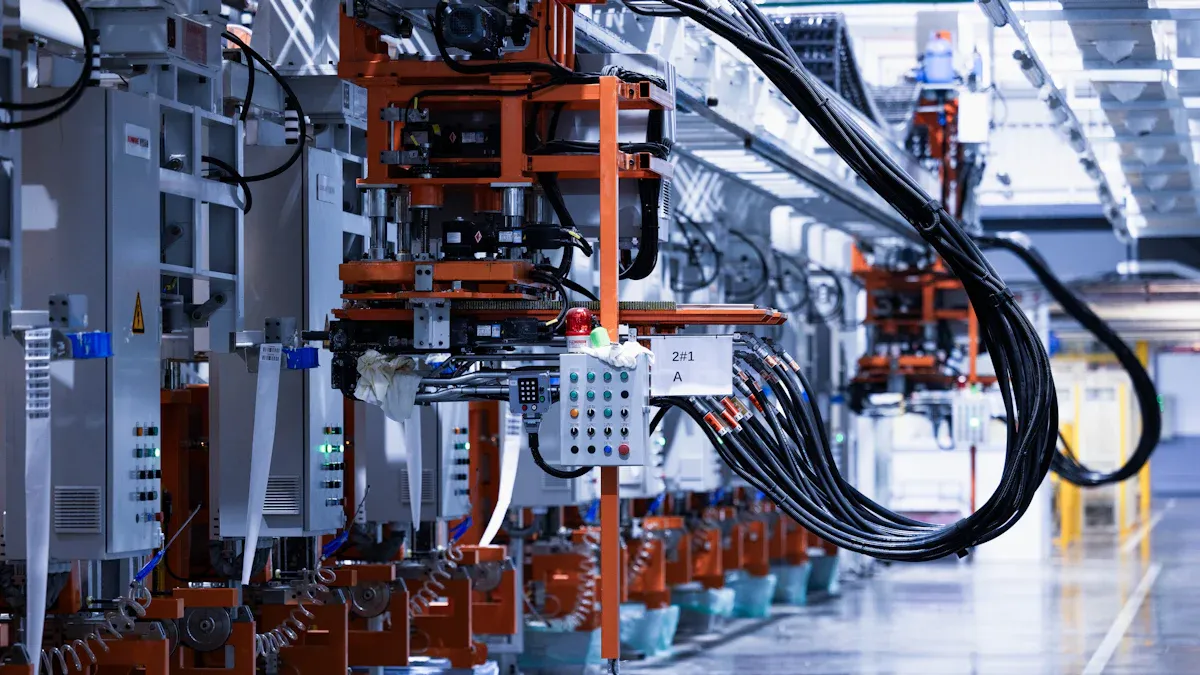
Per proteggere i cablaggi robotici da rischi meccanici e ambientali, è necessaria una robusta protezione fisica. Nella robotica, i cavi sono soggetti a movimenti costanti, vibrazioni ed esposizione a condizioni difficili. I cablaggi robotizzati proteggono i cavi, garantendo sicurezza a lungo termine e un funzionamento affidabile per ogni sistema robotico.
I rischi meccanici possono compromettere l'integrità del cablaggio. È necessario utilizzare materiali e strategie di protezione adeguati per prevenire abrasioni, tagli e danni da impatto.
Le guaine protettive costituiscono la prima barriera contro le minacce fisiche. L'assemblaggio robotizzato dei cablaggi utilizza una vasta gamma di materiali per soddisfare le esigenze di ciascuna applicazione. La tabella seguente mostra i materiali di protezione più comuni e i relativi utilizzi:
Materiale di protezione | Descrizione | Area di applicazione |
|---|---|---|
nastro in PVC | Resistenza all'abrasione di base al costo più basso. | Uso generale |
Nastro in tessuto PET intrecciato | Resiste a temperature fino a 150 °C; standard per i cablaggi del vano motore. | Cablaggi del vano motore |
nastro in tessuto non tessuto | Assorbe le vibrazioni e previene i rumori; ideale per gli abitacoli delle automobili. | Cablaggi per abitacolo automobilistico |
Guaina in nylon intrecciato | Resistente alle temperature fino a 120 °C e ai tagli. | Ambienti ostili |
Tubo corrugato diviso | Flessibile e facile da installare anche su cablaggi preesistenti. | Uso generale |
Guaina termoretraibile | Fornisce una copertura sigillata e impermeabile all'umidità. | Interfacce dei connettori |
Strati di protezione multipli | Utilizzato nelle imbracature per l'industria mineraria e della difesa per una maggiore durata. | Imbracature per l'industria mineraria e della difesa |
La scelta della guaina protettiva più adatta dipende dall'ambiente di lavoro del robot. Per soluzioni di automazione in condizioni estreme, le guaine in nylon intrecciato o gli strati di protezione multipli offrono una durata superiore.
Il sistema di scarico della tensione previene danni ai cavi causati da trazione, piegatura o flessione. L'assemblaggio robotizzato dei cablaggi integra guaine di scarico della tensione e manicotti flessibili nei punti di connessione. Questo approccio riduce il rischio di rottura dei conduttori e di guasti ai connettori. Inoltre, si beneficia di connettori dal design migliorato che ottimizzano l'integrità strutturale e le proprietà meccaniche.
Rischio meccanico | Strategia di mitigazione |
|---|---|
Guasti indotti dalle vibrazioni | Design dei connettori ottimizzato per migliorare l'integrità strutturale e le proprietà meccaniche. |
Ciclo termico | Sistemi di tenuta avanzati e barriere contro l'umidità per prevenire il deterioramento. |
Flessione del cavo | Sistemi di protezione meccanica come stivali antistrappo e manicotti protettivi flessibili. |
Diagnosi inadeguata | Tecnologie di monitoraggio avanzate per il rilevamento precoce del degrado dei connettori. |
Scegliendo cablaggi con sistema antistrappo avanzato e guaina protettiva, garantisci sicurezza e qualità.
I bracci e le articolazioni robotiche richiedono flessibilità e resistenza alla torsione da ogni singolo cablaggio. I cablaggi robotizzati offrono queste caratteristiche per supportare movimenti dinamici e un funzionamento continuo.
È necessario un cablaggio in grado di resistere a continue torsioni, flessioni e accelerazioni. L'assemblaggio robotizzato dei cablaggi utilizza cavi personalizzati progettati per garantire elevata flessibilità e resistenza alla torsione. Questi cablaggi mantengono una trasmissione stabile di alimentazione e segnale, anche in processi di assemblaggio robotizzato multiasse.
Assemblaggi di cavi robotici personalizzati:
Garantisce elevata flessibilità e resistenza alla torsione.
Garantire una trasmissione stabile di alimentazione e segnale.
Prestazioni affidabili nella robotica industriale, nell'assemblaggio di componenti elettronici e nella logistica.
I produttori testano questi cablaggi per resistere a oltre 10 milioni di cicli di flessione, dimostrandone la durata per l'automazione 24 ore su 24, 7 giorni su 7.
Il robusto sistema di fissaggio garantisce la stabilità del cablaggio e previene movimenti indesiderati. Il cablaggio robotizzato utilizza clip e staffe di montaggio resistenti per mantenere i cavi in posizione durante i rapidi movimenti del robot. Questa progettazione riduce l'attrito, le vibrazioni e gli urti, che possono causare un'usura precoce.
I test di validazione confermano l'efficacia di queste soluzioni:
Test di validazione | Scopo |
|---|---|
Test del ciclo di torsione | Garantisce che l'imbracatura possa resistere alle forze di torsione nel tempo. |
Test di ciclo di flessione | Verifica la capacità dell'imbracatura di resistere a piegamenti ripetuti. |
Test del ciclo di vita della catena portacavi | Valuta le prestazioni in ambienti di routing dinamico. |
Test di temperatura e ambientali | Valuta la durabilità in diverse condizioni. |
Test di resistenza meccanica e di ritenzione | Conferma che l'imbracatura mantiene la sua integrità sotto sforzo. |
Con l'avanzare della robotica, l'assemblaggio robotizzato dei cablaggi diventa fondamentale per garantire flessibilità, sicurezza e qualità. La produzione di cablaggi continua a innovare, assicurando che le vostre soluzioni di automazione rimangano affidabili anche negli ambienti più esigenti.
Per garantire prestazioni ottimali del cablaggio robotico, sono necessarie strategie di manutenzione e risoluzione dei problemi efficaci. I cablaggi robotizzati offrono layout organizzati e funzionalità diagnostiche che semplificano le riparazioni e riducono i tempi di inattività. Scegliendo cablaggi progettati per un facile accesso e una chiara identificazione, si ottengono flessibilità e sicurezza.
La disposizione organizzata dei cablaggi semplifica la manutenzione. Ogni punto di connessione è facilmente identificabile e accessibile, riducendo gli errori durante l'assemblaggio e le riparazioni robotizzate. La facilità di accesso consente di eseguire le riparazioni senza danneggiare altri componenti. L'assemblaggio robotizzato dei cablaggi privilegia un'etichettatura e un'identificazione chiare, a supporto della qualità e della sicurezza in ogni soluzione di automazione.
La codifica a colori si distingue come metodo pratico per l'assemblaggio dei cablaggi. Si utilizzano etichette stampate, codici colore o marcatori termoretraibili per identificare facilmente i collegamenti, soprattutto nei sistemi robotici complessi. Questo approccio aiuta a evitare errori durante l'assemblaggio e la manutenzione. L'assemblaggio robotizzato dei cablaggi integra la codifica a colori per semplificare la risoluzione dei problemi e garantire la sicurezza.
Mancia: Etichettate sempre ogni filo e connettore. Questa pratica velocizza le riparazioni e favorisce un assemblaggio robotizzato efficiente.
Le sezioni modulari negli assemblaggi di cablaggi consentono di sostituire o aggiornare i componenti senza dover smontare l'intero sistema. I vantaggi offerti dai connettori rapidi e dalla modularità degli assemblaggi permettono di risparmiare ore durante le riparazioni o gli aggiornamenti. L'assemblaggio robotizzato dei cablaggi progetta i cablaggi pensando alla facilità di manutenzione, garantendo flessibilità e qualità nelle soluzioni robotizzate.
Le sezioni modulari offrono:
Sostituzione semplice dei componenti danneggiati
Aggiornamenti semplificati per le soluzioni di automazione
Riduzione del rischio di errori di montaggio
È inoltre importante conservare schemi dettagliati, piedinature e registri dei test. Questi documenti aiutano a formare il personale, a risolvere i problemi e a superare gli audit con sicurezza.
L'individuazione rapida dei guasti è essenziale per garantire sicurezza e affidabilità nella robotica. L'assemblaggio robotizzato dei cablaggi integra strategie avanzate che consentono di identificare i guasti in modo rapido e preciso.
I punti di accesso nell'assemblaggio dei cablaggi consentono l'accesso diretto per test e riparazioni. È possibile individuare i guasti senza smontare l'intero gruppo robotizzato. L'assemblaggio robotizzato dei cablaggi include punti di accesso che favoriscono una manutenzione efficiente e proteggono l'integrità delle soluzioni di automazione.
Le funzionalità diagnostiche migliorano la capacità di monitorare e manutenere gli assemblaggi di cablaggi. Sensori integrati e analisi dei dati consentono di prevedere le esigenze di manutenzione e prevenire guasti imprevisti. I sistemi di ispezione automatizzati utilizzano sensori per rilevare guasti e degrado delle prestazioni, riducendo l'errore umano. Il monitoraggio in tempo reale dei parametri di salute dei cavi consente di programmare la manutenzione preventiva, riducendo al minimo i tempi di inattività nell'assemblaggio robotizzato.
Strategia | Descrizione |
|---|---|
Test automatizzati | Consente il rilevamento dei guasti in tempo reale tramite test di continuità e ad alta tensione. |
Sistemi di ispezione basati sull'intelligenza artificiale | Prima della produzione, ispeziona le terminazioni dei cavi per individuare eventuali incongruenze, garantendo cablaggi privi di difetti. |
Rilevamento basato sulla visione 3D | Migliora la precisione nel posizionamento dei fili e facilita l'individuazione più rapida degli errori in strutture complesse. |
L'assemblaggio robotizzato dei cablaggi sfrutta queste funzionalità diagnostiche per garantire qualità e sicurezza in ogni cablaggio robotico. Investendo in una produzione di cablaggi che supporti la manutenzione e la risoluzione dei problemi avanzate, si assicura un funzionamento affidabile e si massimizza la durata delle soluzioni robotiche.
È fondamentale garantire che ogni cablaggio assemblato nel vostro progetto di robotica soddisfi rigorosi standard di sicurezza e qualità. L'assemblaggio robotizzato dei cablaggi vi aiuta a raggiungere la conformità con le normative globali e i parametri di riferimento del settore, proteggendo sia l'assemblaggio robotizzato che le vostre soluzioni di automazione.
Quando si lavora con l'assemblaggio di cablaggi per la robotica, è necessario rispettare una serie di standard di sicurezza. Questi standard garantiscono che il sistema robotico funzioni in modo sicuro e affidabile in qualsiasi ambiente. La tabella seguente illustra le certificazioni più importanti e il loro significato per il vostro assemblaggio:
Standard/Certificazione | Regione/Ambito | Descrizione |
|---|---|---|
UL (ad esempio UL 508A) | U.S.A. | Garantisce la sicurezza elettrica del cablaggio dei macchinari, in conformità con i requisiti NEC. |
CSA (C22.2) | Canada | Norma canadese di sicurezza per gli impianti elettrici, armonizzata con UL. |
Marcatura CE | UE/SEE | Indica la conformità alle direttive UE in materia di sicurezza, requisito essenziale per l'accesso al mercato. |
Direttiva RoHS | UE (impatto globale) | Limita la presenza di sostanze pericolose nei cavi, promuovendo la sicurezza ambientale. |
IPC/WHMA-A-620 | Globale (industria) | Definisce gli standard di qualità per la lavorazione di cavi e cablaggi. |
ISO 9001 (Sistema di Gestione della Qualità) | Internazionale | Garantisce processi di gestione della qualità coerenti. |
Riducete il rischio di guasti al cablaggio nell'assemblaggio robotizzato seguendo gli standard UL e CSA. La marcatura CE vi apre le porte del mercato europeo, mentre la conformità RoHS impedisce l'utilizzo di sostanze pericolose nei vostri cablaggi. Gli standard IPC/WHMA-A-620 e ISO 9001 garantiscono che il vostro assemblaggio soddisfi i più elevati standard qualitativi.
Prima di implementare qualsiasi soluzione robotica, è fondamentale verificare che il cablaggio robotizzato sia in possesso delle certificazioni necessarie. La certificazione attesta che il cablaggio robotizzato ha superato rigorosi test e soddisfa tutti i requisiti di sicurezza. Questo processo include test di continuità, verifiche della resistenza di isolamento e test ad alta tensione (hipot). In questo modo, avrete la certezza che il vostro cablaggio funzionerà correttamente in condizioni reali e supporterà la flessibilità richiesta dalle vostre soluzioni di automazione.
Scegliendo partner per la produzione di cablaggi che adottano le migliori pratiche di assemblaggio, otterrete un vantaggio competitivo. Gli stabilimenti moderni utilizzano la preparazione automatizzata dei cavi per garantire precisione e uniformità. Gli utensili vengono calibrati regolarmente per prevenire variazioni nell'integrità dell'assemblaggio. I processi di saldatura controllati eliminano le saldature a freddo e i sistemi di etichettatura avanzati, come la codifica a colori, i codici a barre o i tag RFID, rendono efficienti l'installazione e la manutenzione. Un imballaggio efficace protegge il cablaggio durante la spedizione e garantisce che arrivi pronto per l'assemblaggio robotizzato.
Le sagome digitali e gli strumenti di realtà aumentata velocizzano il processo di assemblaggio.
Le macchine automatizzate per la lavorazione dei fili riducono i costi e migliorano la uniformità.
L'ispezione finale e il tracciamento della spedizione garantiscono la soddisfazione del cliente.
Ci affidiamo a rigorosi protocolli di test per confermare la sicurezza e la durata di ogni singolo cablaggio. L'assemblaggio robotizzato dei cablaggi comprende:
Test di continuità al 100% per confermare l'integrità dell'assemblaggio.
Test di trazione per convalidare la resistenza meccanica della crimpatura.
Ispezione visiva prima della spedizione.
Test di rigidità dielettrica ad alta tensione (hi-pot).
Test ambientali per valutare le prestazioni in condizioni estreme.
L'assemblaggio robotizzato dei cablaggi segue standard globali come IPC/WHMA-A-620, UL e ISO. Questi protocolli garantiscono che l'assemblaggio resista alle esigenze della robotica, dell'automazione e delle soluzioni avanzate.
Mancia: Richiedete sempre al vostro fornitore di cablaggi la documentazione relativa ai test e alle certificazioni. Questo passaggio protegge il vostro investimento e garantisce l'affidabilità a lungo termine del vostro sistema robotizzato.
Desideri che il tuo sistema di assemblaggio robotizzato offra prestazioni costanti e riduca al minimo le spese impreviste. Un cablaggio ben progettato contribuisce sia al risparmio sui costi che all'affidabilità a lungo termine delle tue operazioni robotizzate. Concentrandoti sul risparmio sui costi di manutenzione e sulla maggiore durata utile, garantisci che le tue soluzioni di automazione rimangano efficienti e sicure.
L'utilizzo di cablaggi di alta qualità nei sistemi robotici consente di ridurre i costi di riparazione. Una disposizione ordinata e connessioni robuste prevengono i guasti più comuni, con conseguente risparmio di tempo e denaro per le riparazioni. Molte aziende che implementano sistemi di manutenzione predittiva registrano una riduzione dei costi di manutenzione del 20-30%. Questi risparmi derivano da un minor numero di guasti e da una minore frequenza di sostituzione dei componenti. In questo modo, i sistemi robotici funzionano senza intoppi ed si evitano costose interruzioni nei processi di automazione.
Meno interventi di riparazione d'emergenza
Tempi di inattività ridotti per l'assemblaggio robotizzato.
Minori costi di manodopera per la risoluzione dei problemi
Scegliendo cablaggi progettati per ambienti difficili, si riduce il rischio di guasti. Un instradamento sicuro, un isolamento avanzato e connettori affidabili contribuiscono a una maggiore sicurezza. Investendo in cablaggi di qualità, si proteggono i sistemi robotici da rischi elettrici e danni meccanici. Questo approccio mantiene le soluzioni di automazione produttive e riduce la probabilità di arresti imprevisti.
Mancia: Pianifica ispezioni periodiche del tuo cablaggio. L'individuazione precoce di usura o danni ti aiuta a prevenire guasti prima che compromettano il tuo sistema robotico.
È possibile prolungare la durata di vita dei propri robot scegliendo cablaggi realizzati con materiali durevoli. Questi cablaggi utilizzano cavi flessibili e resistenti alla corrosione, in grado di sopportare condizioni difficili. La ricerca dimostra che i cablaggi di alta qualità svolgono un ruolo cruciale nella longevità dei robot, soprattutto in ambienti ostili. La flessibilità e la resistenza alle interferenze garantiscono un funzionamento affidabile del sistema robotico anno dopo anno.
Tipo di materiale | Beneficio |
|---|---|
Cavi ad alta flessibilità | Resistere a movimenti ripetuti |
Resistente alla corrosione | Resiste all'umidità e agli agenti chimici. |
Schermato contro le interferenze elettromagnetiche | Bloccare le interferenze del segnale |
Prestazioni costanti si ottengono quando il cablaggio mantiene connessioni stabili e integrità del segnale. Un assemblaggio affidabile garantisce che i sistemi robotici offrano movimenti precisi e una trasmissione dati accurata. Questa costanza contribuisce alla sicurezza dei robot e all'efficienza delle soluzioni di automazione. Si evitano costosi tempi di inattività e si mantiene un'elevata produttività in ogni assemblaggio robotico.
Alimentazione stabile per la robotica
Flusso di dati affidabile per l'automazione
Meno interruzioni nell'assemblaggio robotizzato
Concentrarsi sulla qualità dell'assemblaggio dei cablaggi vi offre la massima tranquillità. Avrete la certezza che i vostri robot funzioneranno in modo sicuro ed efficiente, supportando i vostri obiettivi di automazione per gli anni a venire.
La scelta del cablaggio robotico più adatto è fondamentale per la sicurezza, l'efficienza e la scalabilità futura dei vostri sistemi robotici. È necessario valutare le esigenze dell'applicazione, considerare il potenziale di crescita e scegliere un fornitore con comprovata esperienza e capacità produttive all'avanguardia.
È necessario scegliere il cablaggio più adatto ai requisiti specifici del proprio assemblaggio robotico. I cablaggi personalizzati sono progettati per percorsi particolari, connettori unici o specifiche caratteristiche elettriche. I cablaggi standard si adattano a layout comuni e configurazioni ampiamente utilizzate. La tabella seguente consente di confrontare le due opzioni:
Fattore | Cablaggi personalizzati | Cablaggi standard |
|---|---|---|
Requisiti per la candidatura | Necessario per cablaggi particolari, connettori specializzati o specifiche caratteristiche elettriche. | Adatto a layout comuni e configurazioni standard. |
Volume di produzione | Ideale per progetti di volume medio-basso con esigenze specifiche. | Ideale per la produzione ad alto volume e ripetibile. |
Tempi di consegna e budget | Tempi di consegna più lunghi, ma miglior rapporto qualità-prezzo a lungo termine. | Disponibilità immediata e prezzi prevedibili. |
Conformità e standard di qualità | Conforme alle certificazioni di settore e ai requisiti normativi. | Potrebbe non soddisfare i requisiti di conformità specifici per settori specializzati. |
Mancia: Se il tuo robot richiede movimenti specializzati, sensori o opera in ambienti difficili, un'imbracatura personalizzata offre spesso maggiore sicurezza e affidabilità.
È fondamentale valutare come il cablaggio potrà supportare future espansioni. I cablaggi personalizzati si adattano all'evoluzione dei progetti e alle nuove tecnologie. I cablaggi standard offrono una rapida implementazione per progetti su larga scala e ripetibili. Quando si prevede una crescita rapida o aggiornamenti frequenti, le soluzioni personalizzate offrono flessibilità. Per una produzione stabile e ad alto volume, i cablaggi standard mantengono i costi prevedibili.
Scegliendo un fornitore con una profonda esperienza nel settore dei cablaggi per robotica, otterrete un valore a lungo termine. La qualità dei materiali influisce direttamente sulla durata e sulla sicurezza del cablaggio. I fornitori esperti selezionano i morsetti, le guaine isolanti e i materiali di fissaggio più adatti alla vostra applicazione. Utilizzano additivi ignifughi e materiali di rinforzo per migliorare le prestazioni e proteggere i vostri sistemi robotici.
I materiali di alta qualità prolungano la durata delle imbracature.
Una corretta selezione dei materiali migliora la sicurezza e la funzionalità.
I fornitori esperti comprendono le esigenze della robotica industriale.
È opportuno valutare le capacità produttive del fornitore per assicurarsi che soddisfino i requisiti del progetto. La tabella seguente evidenzia le capacità principali:
Capacità | Descrizione |
|---|---|
Flessibilità | Le imbracature devono muoversi insieme ai bracci robotici e flettersi ripetutamente durante il funzionamento. |
Durata | I cavi ad alta flessibilità e un adeguato scarico della tensione riducono l'affaticamento e prolungano la durata di servizio. |
Protezione dalle interferenze elettromagnetiche | Essenziale per mantenere le prestazioni in diversi ambienti. |
Personalizzazione di precisione | Soluzioni personalizzate per soddisfare esigenze applicative specifiche. |
Potrai beneficiare di fornitori che offrono:
Competenza nella produzione di cavi ad alta flessibilità con validazione di oltre 10 milioni di cicli.
Produzione certificata ISO 9001/IATF 16949
Assistenza tecnica globale e consegna rapida dei campioni.
Prezzi competitivi e produzione scalabile
Nota: Richiedete sempre la documentazione relativa alle certificazioni e ai protocolli di collaudo. Questo passaggio garantisce che il cablaggio sia conforme agli standard di settore e supporti un funzionamento robotico sicuro e affidabile.
Proteggi i tuoi robot scegliendo cablaggi avanzati che garantiscono un flusso di alimentazione e dati affidabile. Le progettazioni personalizzate prevengono i pericoli e soddisfano rigorosi standard di sicurezza, mentre i materiali resistenti e i test approfonditi ne prolungano la durata.
I cablaggi ben progettati riducono i guasti e garantiscono il corretto funzionamento dei robot.
La selezione dei materiali e i test di validazione garantiscono prestazioni a lungo termine.
Collaborare con un partner affidabile Fabbrica di lavorazione di cablaggi elettrici Ti dà accesso a competenze di automazione e a una produzione di alta qualità, supportando applicazioni robotiche sicure ed efficienti.
Un cablaggio per robotica organizza e protegge i fili del robot. Assicura un flusso sicuro di alimentazione e dati, riduce l'ingombro e previene danni causati da movimenti o ambienti ostili.
L'utilizzo di un cablaggio che previene i cortocircuiti, scherma dalle interferenze e garantisce la sicurezza riduce i rischi di incendio e di guasti elettrici nel sistema robotico.
È consigliabile ispezionare il cablaggio ogni tre-sei mesi. Verificate la presenza di segni di usura, connessioni allentate o isolamento danneggiato. Controlli regolari consentono di individuare tempestivamente eventuali problemi.
Sì, è possibile ordinare cablaggi personalizzati. Le opzioni di personalizzazione consentono di adattare configurazioni, tipi di connettori ed esigenze ambientali specifiche. Ciò garantisce che il robot funzioni in modo sicuro ed efficiente.
È consigliabile cercare le certificazioni UL, CE e ISO. Queste attestano che il cablaggio soddisfa rigorosi standard di sicurezza e qualità per la robotica e l'automazione.
Inizia controllando i cavi con codice colore e i connettori etichettati. Utilizza punti di accesso per i test. Funzionalità diagnostiche come sensori integrati o strumenti di test automatizzati ti aiutano a individuare rapidamente i guasti.
E-mail : grace@smartwireconnect.com
tel : +8613554925749
Whatsapp : +8613554925749
2-3 Floor, No. 45, Minfu Road, Shatou Industrial Zone, Shajing Street, Bao'an District, Shenzhen, Guangdong, China


©2026 Shenzhen Smart Connection Technology Co., Ltd. Tutti i diritti riservati.
 Rete IPv6 supportata