
CHE COSA STA CERCANDO?
CHE COSA STA CERCANDO?
Scegliere il cablaggio per apparecchiature robotiche e di intelligenza artificiale più adatto al proprio robot significa valutare flessibilità, durata, compatibilità e conformità. Il robot richiede un cablaggio che si adatti alle sue esigenze di movimento e operative. Smart Connection Technology offre soluzioni di cablaggio per apparecchiature robotiche e di intelligenza artificiale per ogni esigenza robotica.
Quando si sceglie un cablaggio, è importante valutare la flessibilità e la durata. Questo garantisce che il robot possa muoversi agevolmente senza che i cavi si rompano.
Per prestazioni migliori, scegli materiali di alta qualità come PUR o TPE. Questi materiali resistono all'usura e offrono un'eccellente flessibilità.
Verificate sempre che il vostro cablaggio sia conforme agli standard di settore. La conformità garantisce sicurezza e affidabilità negli ambienti di automazione.
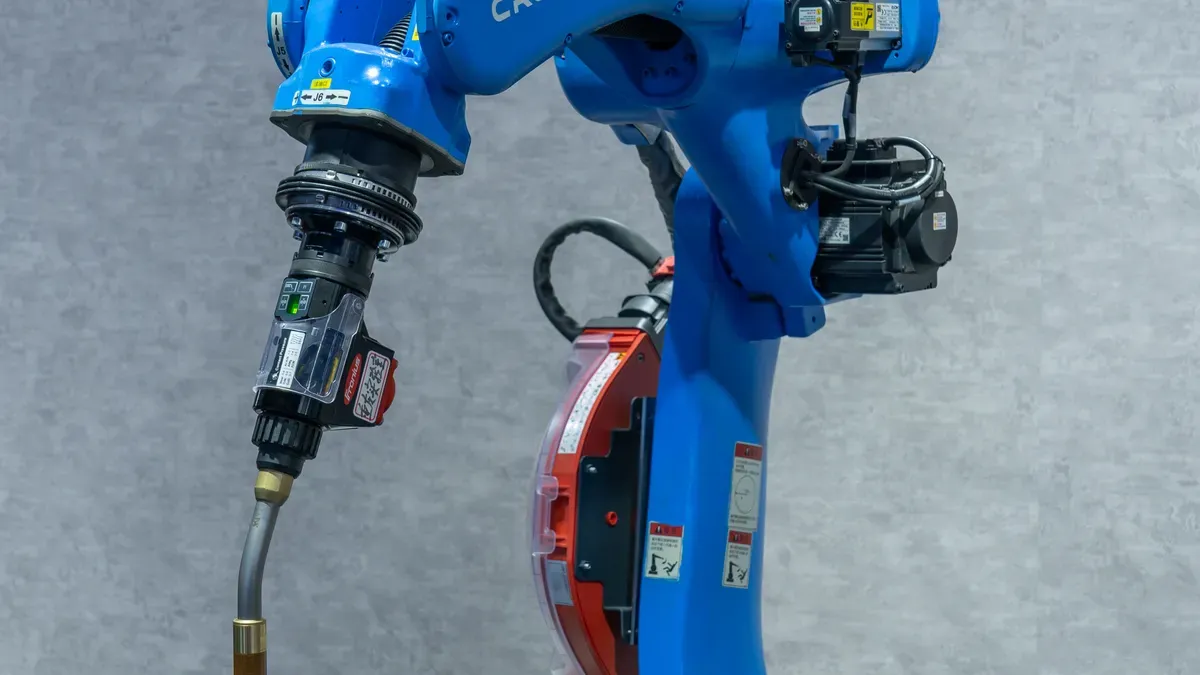
Quando si lavora con un robot a 6 assi nell'automazione, si affrontano sfide uniche. Il robot deve muoversi agevolmente in più direzioni, spesso in spazi ristretti. Questo movimento continuo sollecita i cablaggi del robot. Se si sceglie il cablaggio sbagliato, si rischia la rottura dei cavi e tempi di inattività della produzione. Cablaggio per apparecchiature di robotica e intelligenza artificiale Smart Connection Technology risponde a queste esigenze con funzionalità avanzate.
Suggerimento: prima dell'installazione, verificate sempre la resistenza alla flessione e alla piegatura dei cablaggi del vostro robot.
Ecco una rapida panoramica di come il movimento continuo e i vincoli di instradamento influiscono sulle prestazioni del cablaggio:
Caratteristica | Descrizione |
|---|---|
Vita flessibile | Fino a oltre 10 milioni di cicli di flessione; previene le frequenti rotture dei cavi nelle articolazioni del robot. |
Conduttore ad alta tensione di classe 6 | Anima in rame ultrafine; resiste alla frattura da fatica durante la torsione prolungata. |
Assemblaggi di cavi personalizzati | Progettato per l'alimentazione di servomotori, il controllo del movimento e il passaggio di catene portacavi a corsa lunga. |
Flessione e torsione dinamiche | Gestisce milioni di cicli; evita tempi di inattività imprevisti negli ambienti di automazione. |
Per i cablaggi dei robot sono necessari materiali di alta qualità come rame o poliuretano. Questi materiali offrono eccellente flessibilità e durata. Lo stampaggio a iniezione e le speciali soluzioni per il fissaggio dei cavi contribuiscono inoltre a prevenire l'affaticamento e la rottura, elementi essenziali per un'automazione affidabile.
Nell'automazione, una trasmissione del segnale stabile è fondamentale per ogni robot. Gli ambienti industriali espongono i cablaggi dei robot alle interferenze elettromagnetiche generate da azionamenti a frequenza variabile, servomotori e convertitori di potenza switching. Una corretta progettazione dei cablaggi riduce il rumore e garantisce un funzionamento affidabile.
Utilizzare imbracature con schermatura e messa a terra efficaci.
Instradare i cavi con attenzione per ridurre al minimo l'esposizione alle interferenze.
Scegli prodotti che superino al 100% i test di continuità e di alta tensione.
Il cablaggio per apparecchiature robotiche e di intelligenza artificiale include funzionalità anti-interferenza e soddisfa i rigorosi standard di settore. Puoi contare su questi cablaggi per robot per prestazioni costanti, anche in condizioni difficili come vibrazioni, urti ed esposizione a sostanze chimiche. La conformità agli standard globali come IPC/WHMA-A-620, UL e ISO garantisce che il tuo sistema di automazione rimanga sicuro ed efficiente.
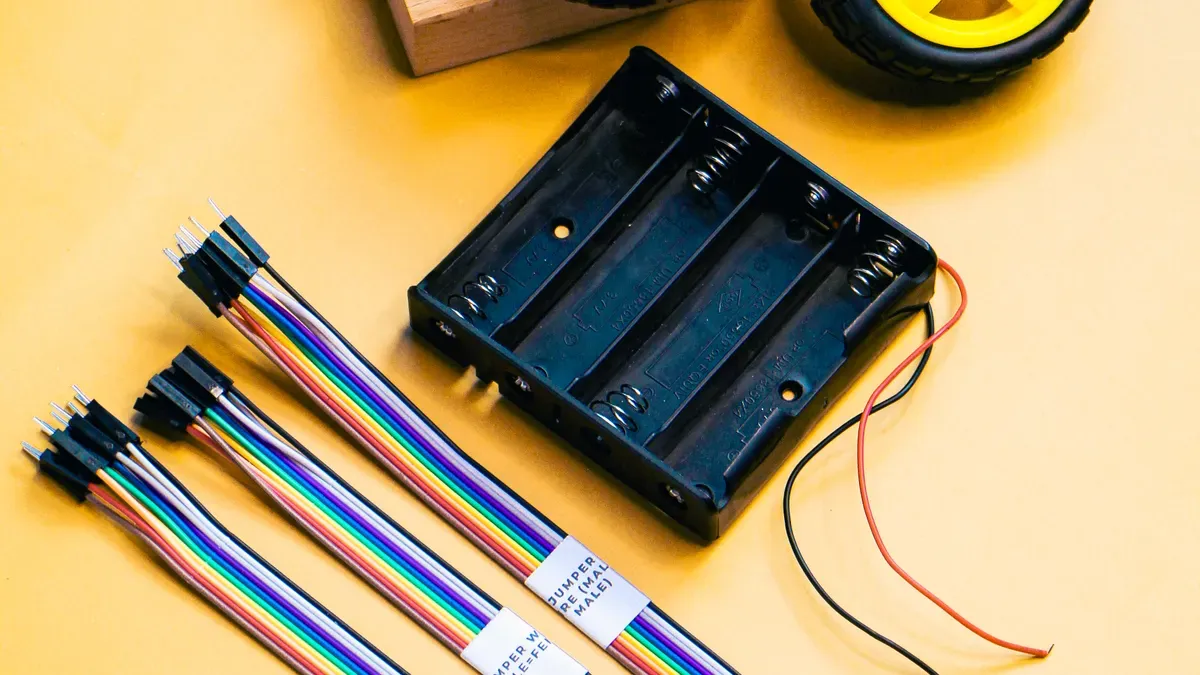
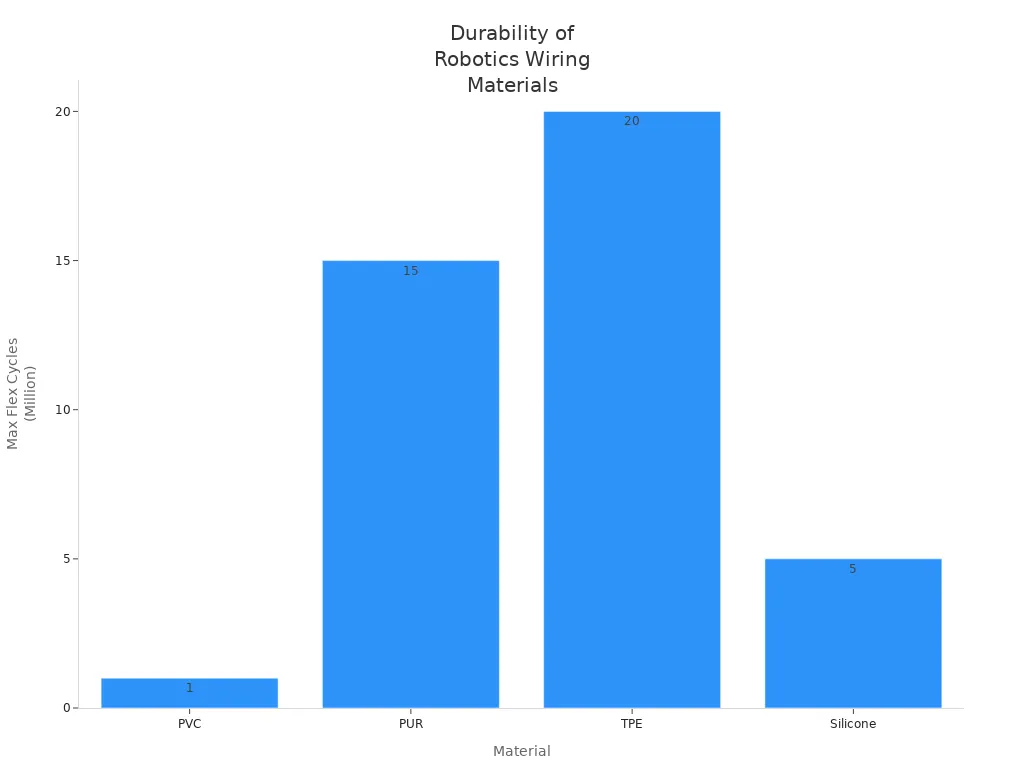
Quando si sceglie un cablaggio per un robot in un sistema di automazione, è fondamentale valutare diverse caratteristiche critiche. Flessibilità, qualità del materiale, schermatura e integrità del segnale sono tutti fattori determinanti per garantire prestazioni affidabili. I bracci robotici ad alta mobilità richiedono cablaggi in grado di resistere a milioni di cicli di flessione e alla fatica. Materiali come PUR e TPE offrono una durata e una resistenza alla flessione superiori, risultando ideali per gli ambienti di automazione.
Materiale | Cicli flessibili (milioni) | Temperatura di esercizio (°C) | Caratteristiche principali |
|---|---|---|---|
PVC | 0,5 - 1 | da -10 a +70 | Basso costo, buona resistenza alla fiamma, ma debole in flessione |
PUR | 5 - 15 | da -40 a +90 | Resistente a oli e agenti chimici, ideale per uso industriale. |
TPE | 10 - 20 | Divas | Massima durata in flessione, ideale per applicazioni dinamiche. |
Silicone | 2 - 5 | da -90 a +200 | Tolleranza alle temperature estreme, ma cicli di flessione inferiori |
Anche i materiali isolanti influiscono sulle prestazioni. Un isolamento avanzato garantisce isolamento elettrico, riduce la diafonia e protegge dai rischi ambientali. È consigliabile optare per cablaggi con materiali a cambiamento di fase o dielettrici termicamente conduttivi per gestire le fluttuazioni di temperatura e mantenere la stabilità del segnale.
Suggerimento: verificate sempre il materiale del conduttore e il tipo di isolamento. Il rame argentato o nichelato offre un'eccellente conduttività e resistenza alla corrosione.
criteri | Descrizione |
|---|---|
Materiali conduttori | Utilizzo di rame o ottone argentato o nichelato per un'eccellente conduttività e resistenza alla corrosione. |
Isolamento | Materiali come la poliimmide e il PTFE sono preferiti per la loro resistenza al calore e per le minime emissioni di gas. |
Schermatura | Per ridurre al minimo le interferenze elettromagnetiche (EMI) si utilizzano schermature in rame o alluminio intrecciato. |
Standard di prova | La conformità agli standard ECSS-Q-ST-70-61C e NASA-STD-8739.4A garantisce un'elevata affidabilità nelle applicazioni spaziali. |
La schermatura è essenziale per l'integrità del segnale nell'automazione. È necessario scegliere cablaggi con schermatura multistrato, trecce metalliche o avvolgimenti in lamina per proteggere dalle interferenze elettromagnetiche e dalle sovratensioni. Tecniche di messa a terra e terminazione adeguate migliorano l'efficacia della schermatura, garantendo percorsi elettrici continui e il controllo dell'impedenza.
La schermatura protegge dalle interferenze elettromagnetiche e dalle sovratensioni.
Materiali specializzati prevengono il degrado del segnale.
Le configurazioni multistrato offrono flessibilità nei movimenti del robot.
È fondamentale assicurarsi che il cablaggio sia conforme agli standard e alle certificazioni di settore. Tali standard garantiscono sicurezza, qualità e conformità negli ambienti di automazione. La conformità normativa non è facoltativa, ma essenziale per evitare problemi legali e garantire un funzionamento affidabile.
Standard/Certificazione | Regione/Ambito | Cosa significa |
|---|---|---|
UL (ad esempio UL 508A) | U.S.A. | Norma statunitense di sicurezza elettrica per il cablaggio dei macchinari. I cavi sono conformi ai requisiti NEC. |
CSA (C22.2) | Canada | Norma canadese di sicurezza per gli impianti elettrici, armonizzata con UL. |
Marcatura CE | UE/SEE | Marchio UE obbligatorio per le macchine; indica la conformità alle direttive UE in materia di sicurezza. |
Direttiva RoHS | UE (impatto globale) | Limita le sostanze pericolose (Pb, Hg, ecc.) nei cavi |
IPC/WHMA-A-620 | Globale (industria) | Standard di lavorazione per la qualità di cavi/cablature |
ISO 9001 (Sistema di Gestione della Qualità) | Internazionale | Certificazione della gestione della qualità (garantisce processi coerenti) |
Nota: verificate sempre che il cablaggio del vostro robot disponga delle certificazioni necessarie per la vostra regione e applicazione.
I cablaggi standard potrebbero non essere adatti a tutti i robot o scenari di automazione. Dovresti prendere in considerazione soluzioni di cablaggio robot personalizzate quando la tua applicazione richiede un instradamento unico, connettori specializzati o una protezione migliorata. Smart Connection Technology offre opzioni di cablaggio robot personalizzate, tra cui Cablaggio di collegamento personalizzatoche garantisce una trasmissione di corrente stabile e una connettività affidabile, su misura per le esigenze del tuo robot.
Opzione di personalizzazione | Benefici |
|---|---|
Materiali conduttori | Le opzioni includono alluminio rivestito di rame, alluminio rivestito di rame stagnato, acciaio rivestito di rame, rame puro e costruzioni ibride, che consentono l'ottimizzazione per applicazioni specifiche. |
Confezioni di abbigliamento resistenti alla torsione | Progettato per la massima affidabilità in ambienti dinamici, garantendo durata nel tempo anche in corrispondenza dei giunti mobili. |
Cavi ombelicali di alimentazione leggeri | Riduce il peso complessivo del robot, migliorandone le prestazioni e l'efficienza. |
Cablaggi dati ad alta flessibilità | Ideale per umanoidi basati sull'intelligenza artificiale, offre flessibilità e affidabilità nella trasmissione dei dati. |
È possibile richiedere la personalizzazione dei connettori, un instradamento flessibile dei cavi, la compatibilità con le catene portacavi, un design di installazione compatto, l'ottimizzazione della schermatura, la protezione impermeabile e soluzioni di sovrastampaggio. Le soluzioni personalizzate per i cablaggi dei robot garantiscono derivazioni etichettate e la tracciabilità della distinta base, riducendo i rischi di ritardi e migliorando l'efficienza del progetto.
Realizzazione di cablaggi personalizzati per diversi componenti robotici.
Progettato per zone statiche e semi-statiche, con particolare attenzione all'organizzazione dei percorsi.
Riduce i rischi di ritardi dovuti a diramazioni etichettate in modo errato.
Per il successo dell'automazione è fondamentale che le specifiche del cablaggio corrispondano ai requisiti del robot. È necessario considerare fattori ambientali come temperatura, umidità ed esposizione a sostanze chimiche. I cablaggi ad alte prestazioni resistono a temperature estreme, umidità, oli e agenti chimici corrosivi e offrono una protezione IP67/IP69K contro gli agenti atmosferici.
Intervallo di temperatura: le imbracature devono funzionare in modo affidabile da 150 °C a 260 °C.
Resistenza chimica: in grado di resistere a oli e sostanze chimiche aggressive.
Resistenza all'umidità, alla polvere e alla corrosione: essenziale per i robot esposti ad acqua, olio e solventi.
È inoltre necessario valutare la sezione del filo, il materiale del conduttore, il tipo di connessione del terminale e il progetto di instradamento. I fili sottodimensionati causano surriscaldamento e cali di tensione, mentre i fili sovradimensionati sprecano spazio. Un corretto instradamento dei fili previene il surriscaldamento e le interferenze di segnale.
Suggerimento: Eseguire la revisione ingegneristica e la convalida del progetto, la selezione dei materiali, il taglio e la spelatura dei fili, la crimpatura, la saldatura, l'assemblaggio, l'instradamento, la copertura protettiva, i test elettrici, la convalida meccanica e l'ispezione finale.
Nella scelta di un cablaggio per il vostro robot di automazione, è fondamentale evitare gli errori più comuni. Ignorare la compatibilità ambientale porta a un rapido degrado dei materiali e a un aumento dei costi. L'utilizzo di terminali di connessione inadeguati causa interruzioni di connessione, soprattutto in ambienti con forti vibrazioni. Scendere a compromessi sulla sezione del filo e sul materiale del conduttore provoca surriscaldamento e cali di tensione. Trascurare la conformità alle normative può comportare problemi legali e richiami di prodotti.
Ignorare la compatibilità ambientale
Tipo di connessione del terminale di visualizzazione
Compromessi sulla sezione del filo e sul materiale del conduttore
Trascurare la conformità normativa
Scegliere un prodotto standard anziché uno personalizzato senza giustificazione
Una pianificazione inadeguata, un instradamento dei cavi scadente e la mancanza di sistemi di scarico della tensione possono causare guasti prematuri. È necessario investire in processi di terminazione di qualità, come la crimpatura automatizzata e la saldatura a ultrasuoni, e integrare proattivamente dispositivi di protezione.
Attenzione: pianificate sempre con cura la progettazione delle vostre imbracature e integrate elementi di protezione fin dalla fase di progettazione per aumentarne la durata.
È possibile ridurre i costi totali di proprietà scegliendo soluzioni di cablaggio robotizzato personalizzate, soprattutto per applicazioni flessibili nell'automazione. I cablaggi personalizzati possono comportare un costo iniziale maggiore, ma offrono una durata maggiore e un minor numero di sostituzioni.
Seguendo queste linee guida, ti assicuri che il cablaggio del tuo robot supporti un'automazione affidabile, rispetti gli standard di settore e offra prestazioni ottimali.
Per scegliere il cablaggio giusto per il tuo robot, valuta flessibilità, durata e conformità. Utilizza una checklist per la valutazione del cablaggio:
Fare un passo | Scopo |
|---|---|
Specifiche di revisione | Garantire la compatibilità del robot |
Conferma le certificazioni | Rispettare gli standard di sicurezza e qualità |
Valuta la personalizzazione | Adattare il robot alle sue esigenze specifiche |
I cablaggi personalizzati migliorano la sicurezza, l'efficienza e l'integrazione IoT dei robot. Rivolgiti a esperti come Smart Connection Technology per ottimizzare il tuo progetto robotico.
Per garantire movimenti fluidi, alimentazione stabile e trasmissione del segnale, i cablaggi per robot sono indispensabili. Questi cablaggi supportano un controllo preciso e un'affidabilità a lungo termine in ambienti di automazione esigenti.
È consigliabile optare per cablaggi robotici personalizzati quando l'applicazione richiede un instradamento specifico, connettori speciali o una protezione avanzata per robot basati sull'intelligenza artificiale e robot mobili autonomi.
La scelta di un cavo robotico ad alta flessibilità avviene verificando i valori di cicli di flessione, la durata del materiale e la compatibilità. Ciò garantisce un'infrastruttura di cablaggio robotico affidabile per i robot intelligenti basati sull'intelligenza artificiale nelle soluzioni di cablaggio per l'automazione industriale.
E-mail : grace@smartwireconnect.com
tel : +8613554925749
Whatsapp : +8613554925749
2-3 Floor, No. 45, Minfu Road, Shatou Industrial Zone, Shajing Street, Bao'an District, Shenzhen, Guangdong, China


©2026 Shenzhen Smart Connection Technology Co., Ltd. Tutti i diritti riservati.
 Rete IPv6 supportata